tech
October 10, 20263 MIN
Spooky games made with Unity: Your 2026 Halloween playlist
From cozy vampire sims to co-op nightmares, these are just a few standout horror games made with Unity in 2026 – organized by exactly how scared you want to be.
About Us
猴子互动娱乐科技(大连)有限责任公司成立于2022年,是一家专注于游戏整包研发、游戏研发外包与技术顾问的游戏外包公司。凭借自身成员的技术实力与人才优势,为各行业的游戏化转型、游戏项目研发、运营提供全周期理念、产品及技术服务支持。核心成员20+全职人员,40+签约工程师及画师,100%为一线研发人员,按腾讯技术评级体系达到T8及以上级别工程师占比达80%。累计合作项目40+,服务客户包括网易游戏、香港TheDesk、智族GQ杂志等知名企业。
覆盖游戏开发外包全流程的一站式研发解决方案
从0到1全流程游戏开发,覆盖休闲、卡牌、养成、互动影游、弹幕游戏等多种类型,提供从策划到上线的完整解决方案。
Providing Unity, Unreal, Cocos Creator engine developers, and experts in C#, Lua, C, Java, TypeScript with flexible team configuration.
Professional technical consulting for game performance optimization, rendering pipeline improvement, mobile adaptation, and more.
Comprehensive art outsourcing including character design, weapon design, prop design, and UI design by experienced artists.
覆盖主流游戏品类与前沿技术领域,具备全品类游戏研发交付能力
 01
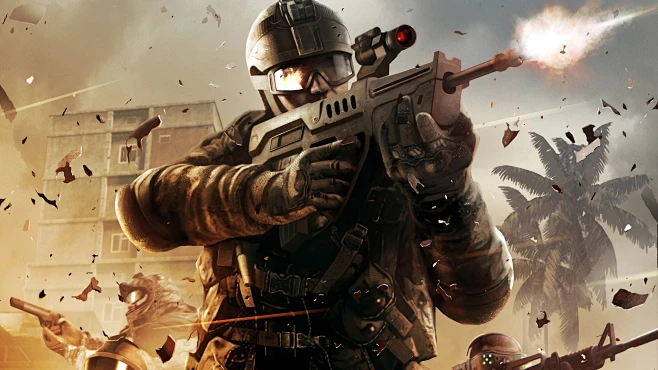
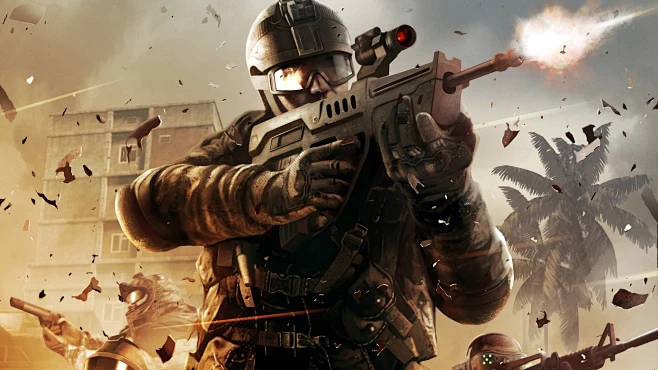
01具备UE4/UE5及Unity引擎下FPS/TPS全流程研发能力。核心优势:基于GPU Skinning的角色动画系统支持百人级同屏对战;自研帧同步框架实现毫秒级状态同步(P99延迟<40ms);武器弹道物理模拟与命中检测精度达tick级别;客户端预测+服务端回溯,弱网环境RTT<300ms流畅运行。已交付多款战术竞技与团队射击产品。
 02
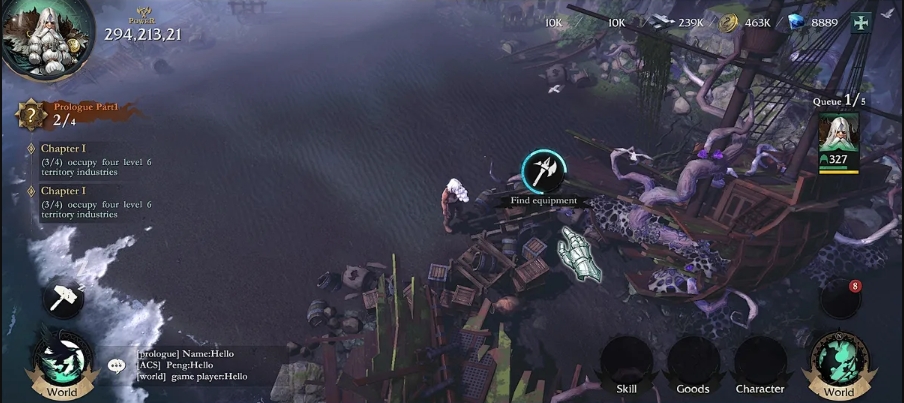
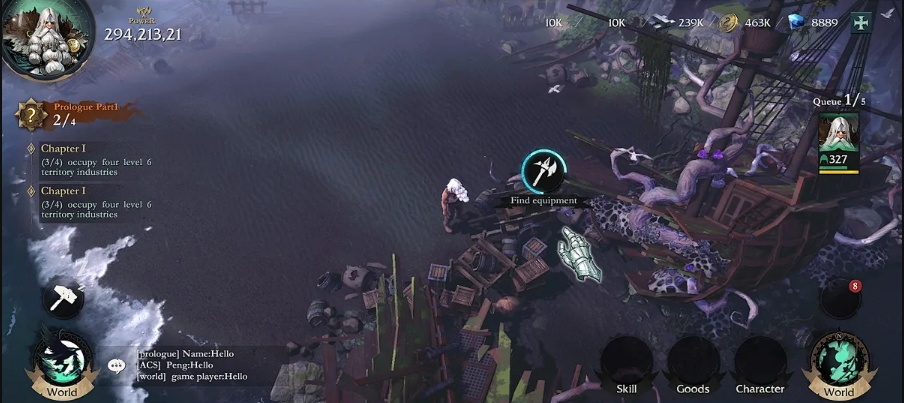
02覆盖Unity与UE双引擎的MMORPG研发,包括开放世界流式加载、大场景动态LOD管理、千人同服架构。自研AOI(Area of Interest)系统将服务端广播降至O(n)复杂度;场景分块动态加载使首屏加载<3秒;角色换装系统支持200+部件自由组合且仅增加1个DrawCall。具备完整的经济系统、战斗系统、社交系统研发经验。
 03
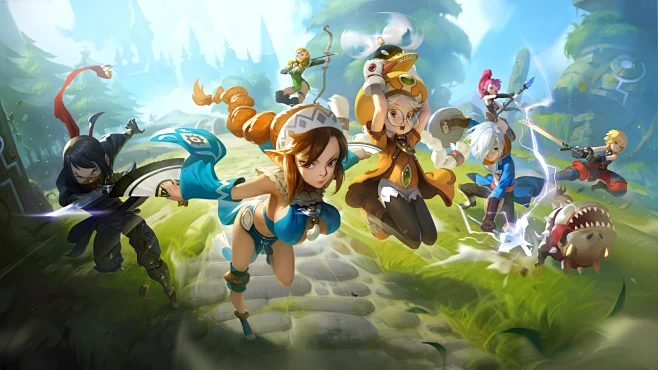
03基于Unity+C#服务端或UE+C++的MOBA类游戏全栈研发。核心优势:确定性帧同步支持60fps逻辑帧+120fps表现帧分离;服务器权威校验防作弊体系;技能系统采用数据驱动架构,新增英雄仅需配置无需编码;AI托管系统在玩家掉线时无缝接管,行为自然度通过图灵测试率达85%+。单局支持10v10共20人实时对战。
 04
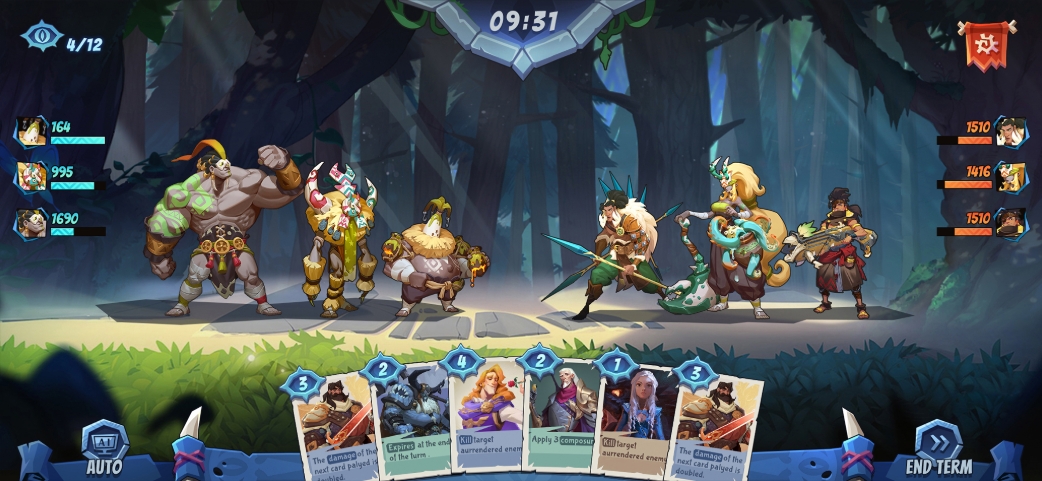
04覆盖CCG、DBG、Roguelike卡牌等子类型。核心优势:自研卡牌框架支持回合制/实时/异步三种对战模式;服务端采用Go语言微服务架构,单服承载10万+同时在线;卡牌效果编辑器实现可视化配置,策划可独立完成90%新卡牌设计无需程序员介入;AI对手采用MCTS(蒙特卡洛树搜索)+神经网络,在百万级对局数据上训练,胜率曲线自然平滑。
 05
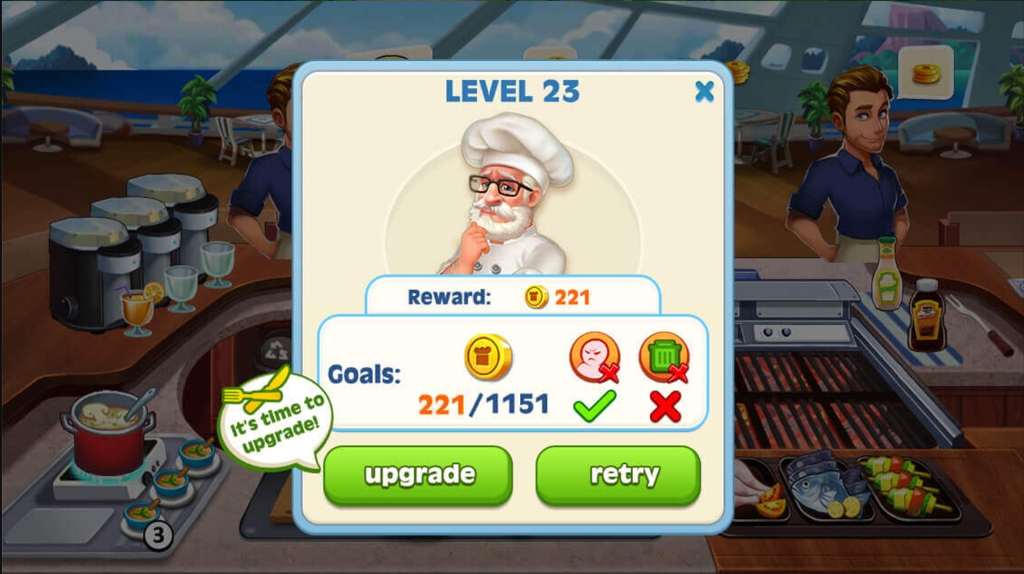
05覆盖三消、跑酷、塔防、合成、模拟经营等休闲品类。核心优势:2D/3D双模式快速开发框架,项目启动到可玩版本平均3-4周;基于Cocos Creator的跨平台方案,一套代码同步发布iOS/Android/Web/小游戏平台;自研关卡生成算法(PCG)支持无限关卡扩展,搭配动态难度调整(DDI)将D7留存提升至18%+;Unity IAP+广告变现SDK一站式集成。
 06
06敏捷开发体系:从创意构思到可测原型平均5-7天,AB测试驱动的快速迭代模式。核心优势:极简美术风格库(200+预设主题模板),将美术生产成本压缩60%;触觉反馈+视觉ASMR技术栈提升用户沉浸感,平均session时长延长40%;基于Firebase+GameAnalytics的数据中台,支持实时LTV预测与用户分群。已交付20+款超休闲产品,累计下载量突破5000万次。
 07
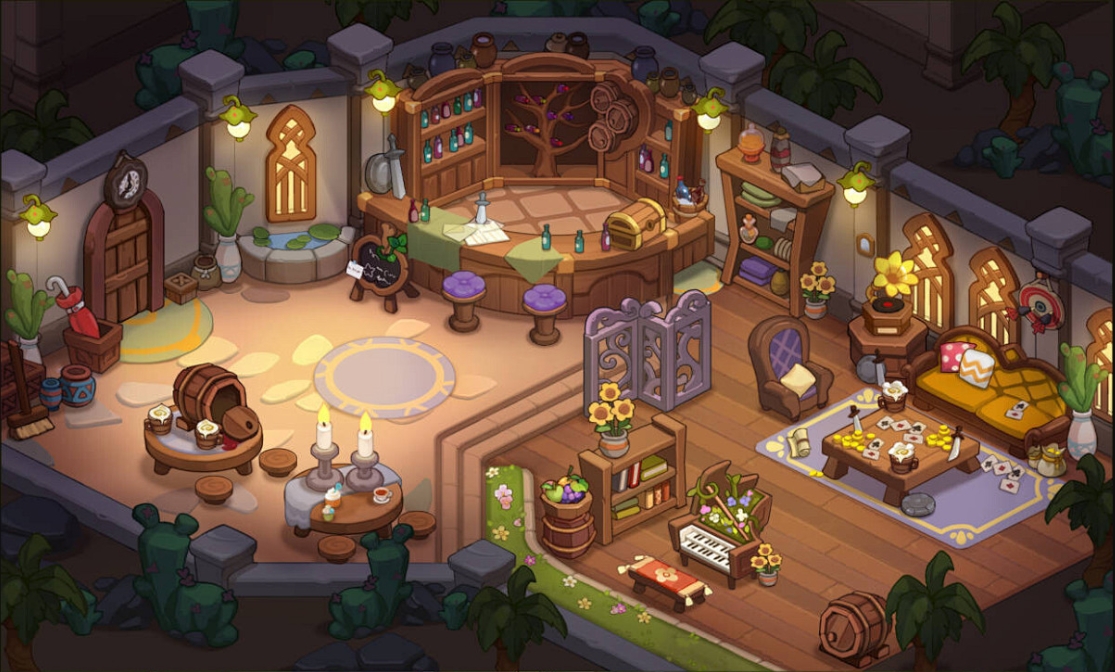
07覆盖模拟经营、角色养成、宠物养成、农场经营等品类。核心优势:时间管理系统架构支持离线收益计算与在线行为无缝衔接;复杂数值体系采用Excel驱动+强化学习自动平衡,数值模型可模拟百万级玩家行为路径;动画表现系统支持Spine+Live2D双方案,角色表情/动作切换自然流畅;社交系统支持公会、好友、排行榜、交易行等完整社交闭环。
 08
08覆盖互动电影、视觉小说、剧情驱动RPG等品类。核心优势:自研分支剧情引擎支持2000+节点故事树可视化编辑,分支逻辑支持条件嵌套与变量追踪;视频流互动技术实现无缝场景切换,视频预加载策略将切换延迟控制在200ms内;AI语音合成+口型同步技术降低配音成本70%;支持多结局、好感度、成就收集等丰富的叙事机制。适配移动端、PC端与主机平台。
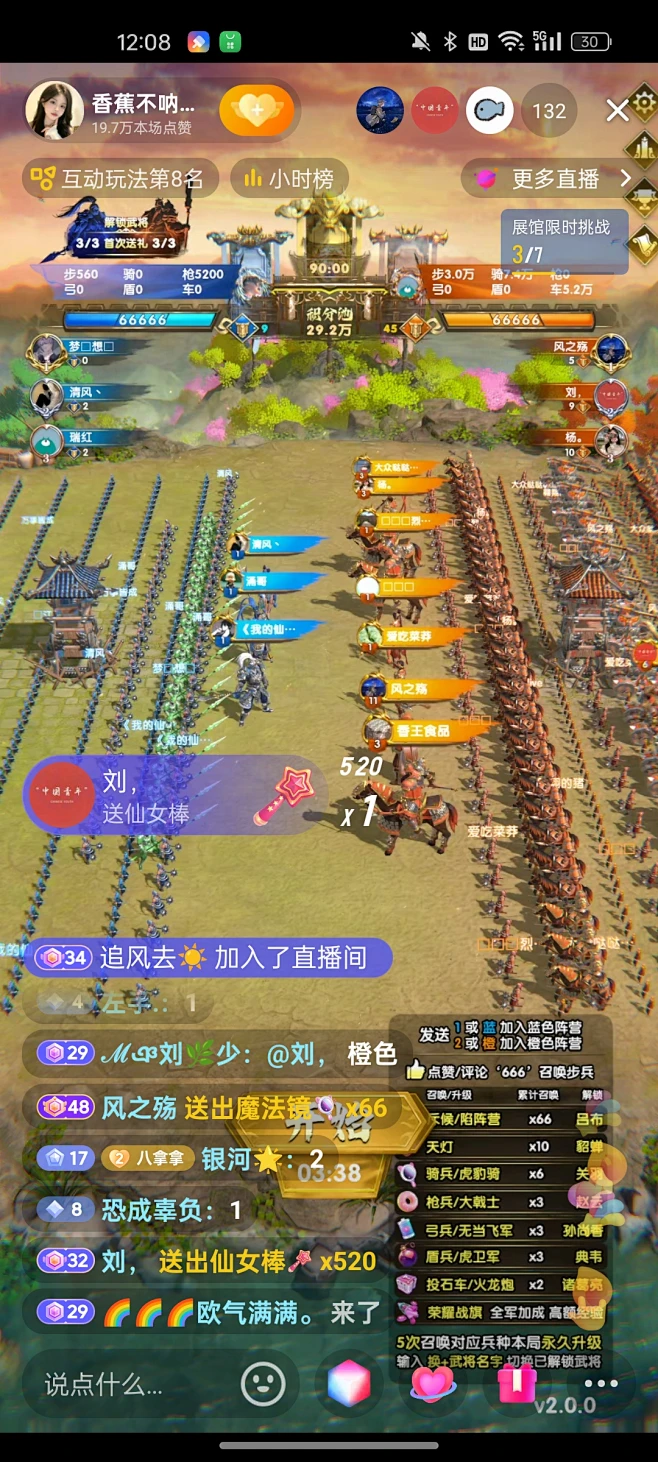 09
09覆盖纵版/横版弹幕射击、Roguelike弹幕等品类。核心优势:自研对象池管理框架支持同屏3000+弹幕物体流畅运行(中端机稳定60FPS);弹幕编辑器可视化设计弹幕曲线(贝塞尔/正弦/螺旋),策划可独立完成弹幕关卡设计;碰撞检测采用空间哈希网格优化,O(n)复杂度处理千级物体碰撞;Roguelike随机生成算法确保每局体验独一无二且难度曲线合理。
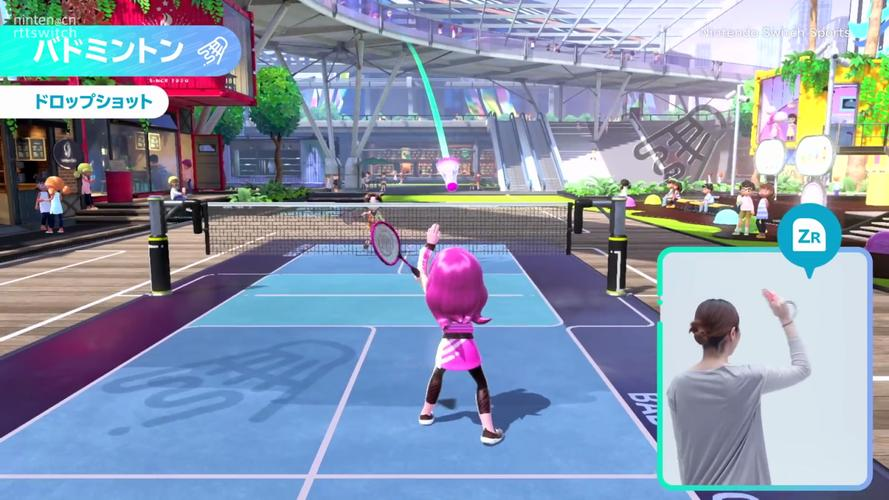 10
10覆盖SLG、RTS、战棋、塔防等策略品类。核心优势:六边形/正方形网格双模式地图系统,支持1000×1000超大战场;战争迷雾采用ShadowMap算法实时计算,视野更新延迟<50ms;AI对手采用行为树+效用系统混合架构,决策自然度与人类玩家无异;联盟/GvE(公会战)服务端架构支持万人同图,采用空间分区+消息队列解耦,单服承载能力达5万并发。
2D与3D美术作品展示
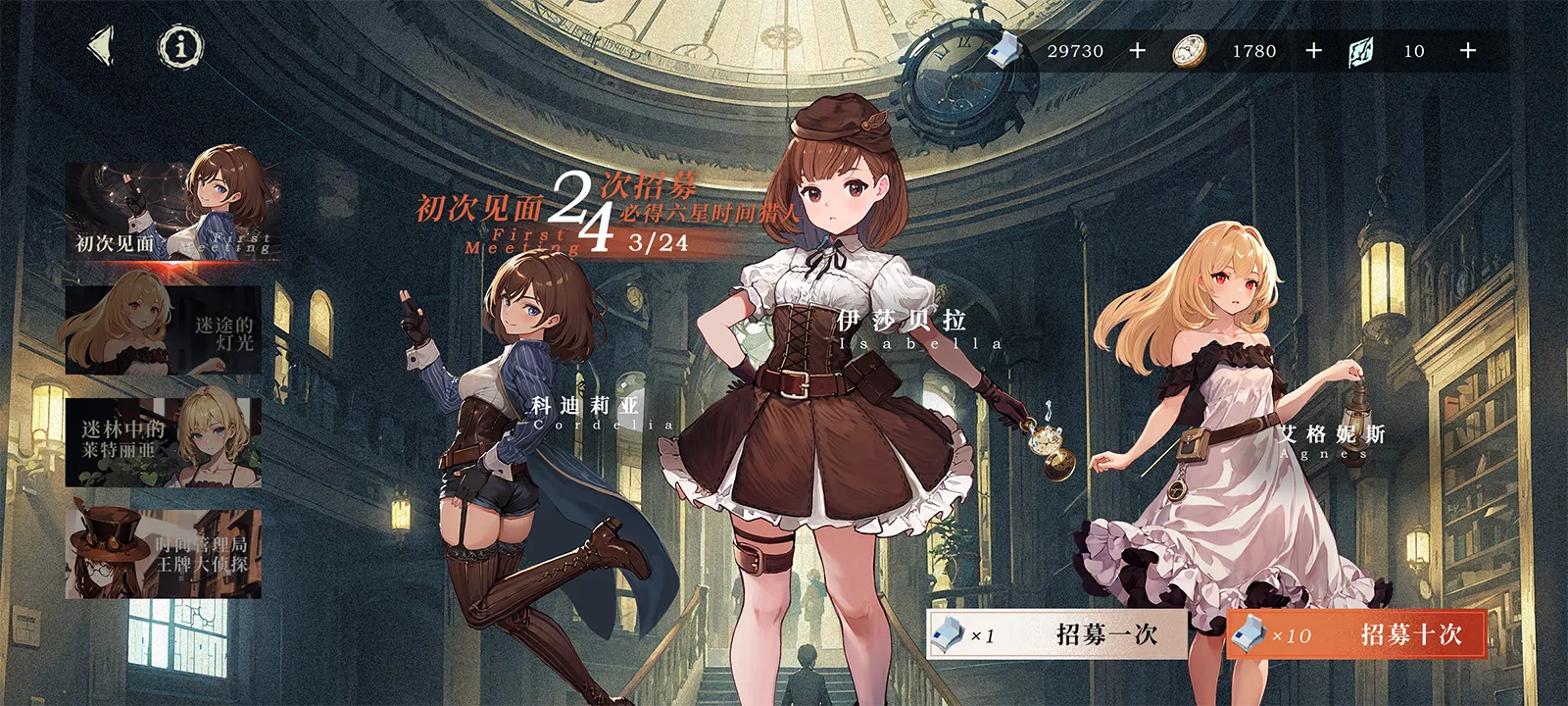
2D角色设计 - 日系二次元风格角色立绘,注重人物神态与服饰细节的刻画
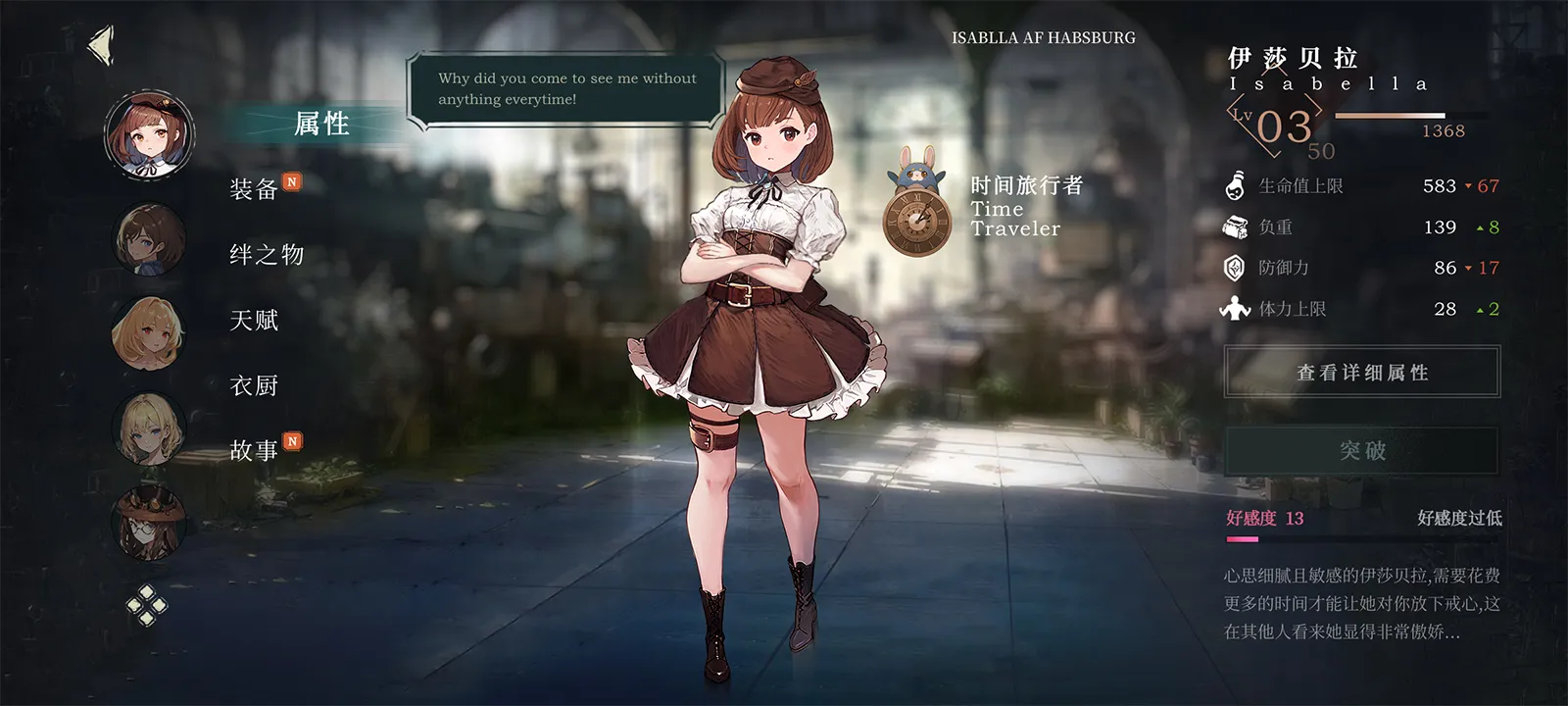
2D场景概念设计 - 卡通风格奇幻世界,通过色彩与构图营造独特的空间氛围
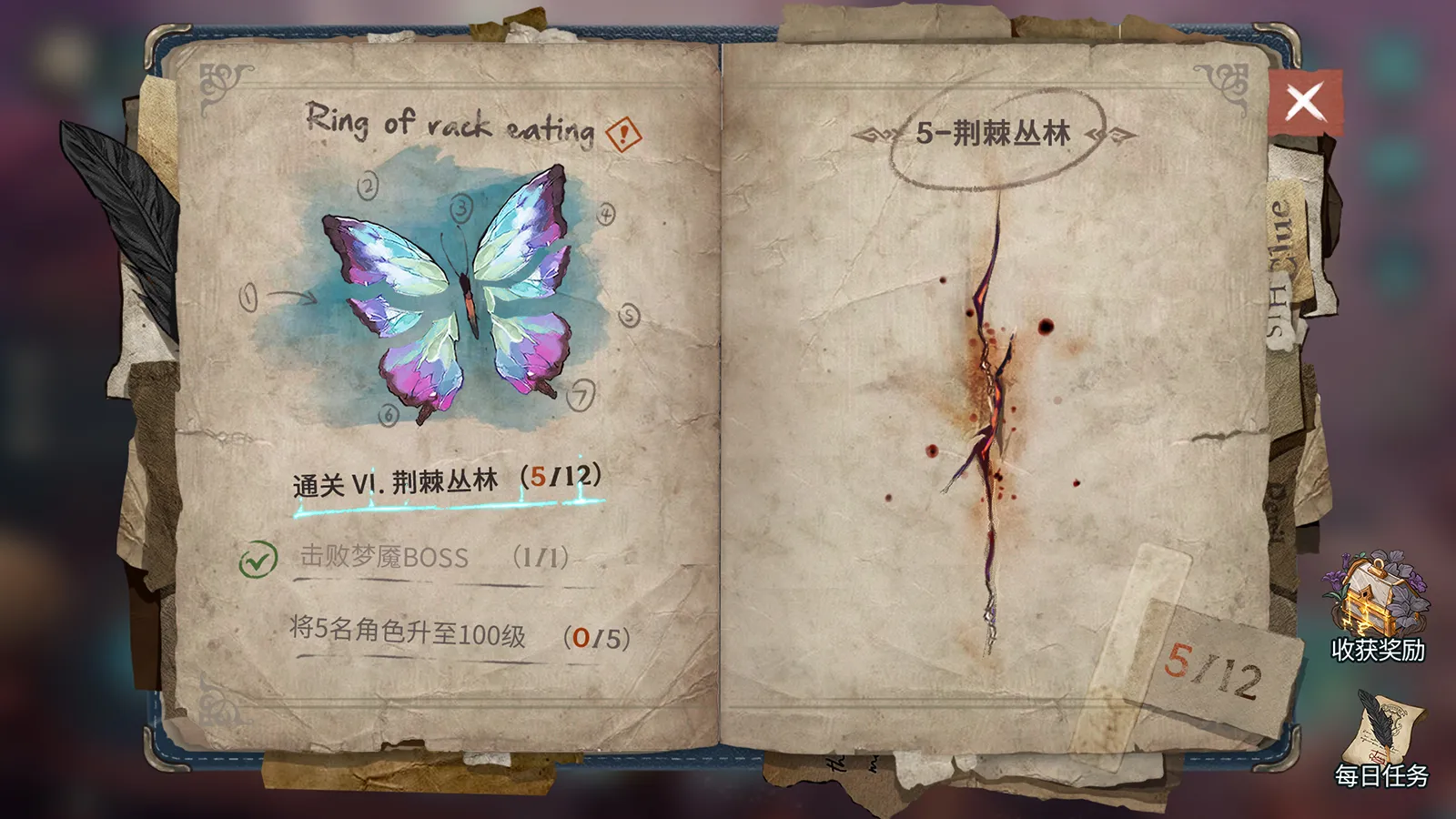
游戏UI界面设计 - 扁平化现代风格,兼顾视觉美感与交互体验
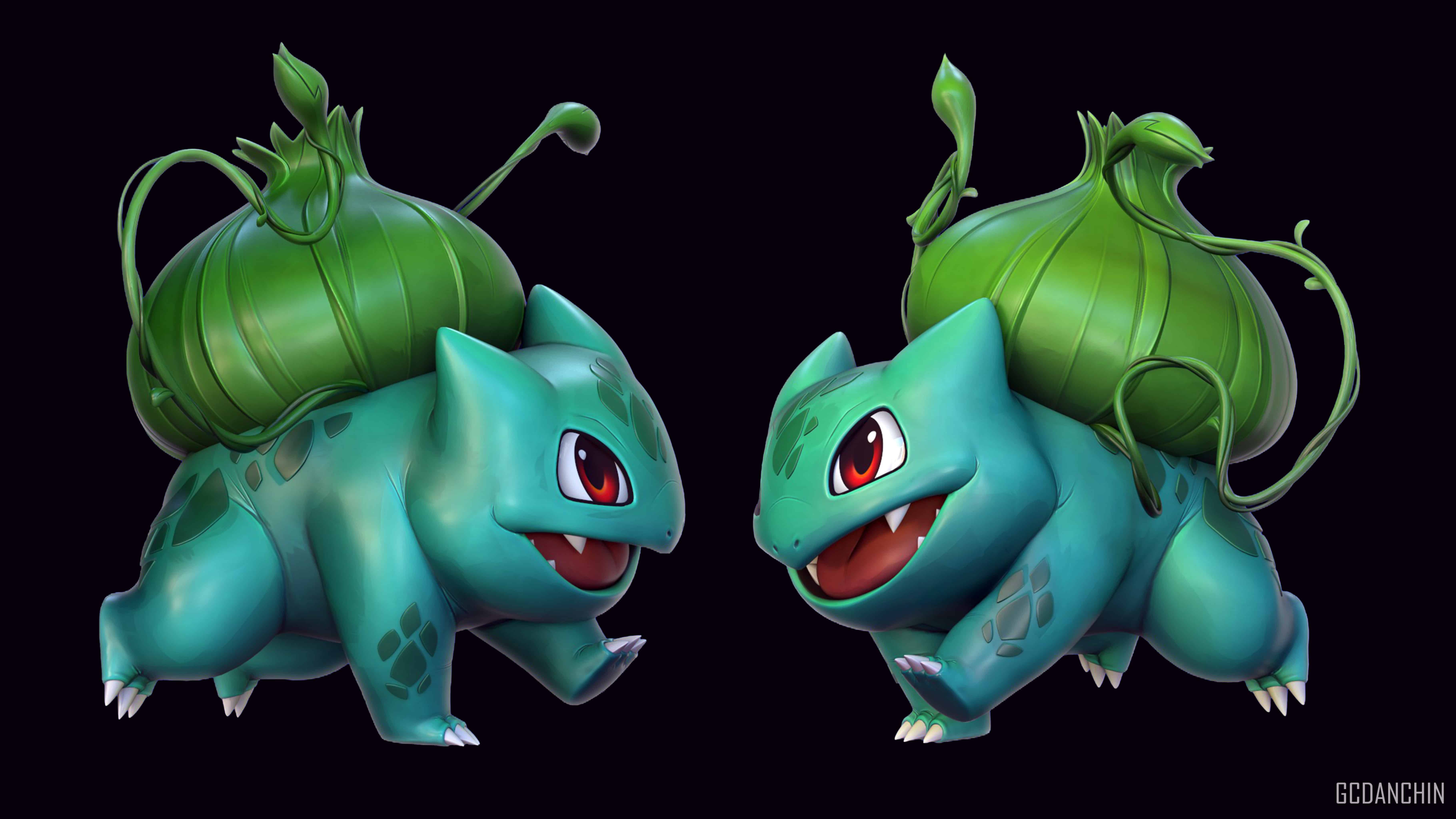
3D角色建模 - PBR次世代角色制作,从高模雕刻到低模拓扑全流程
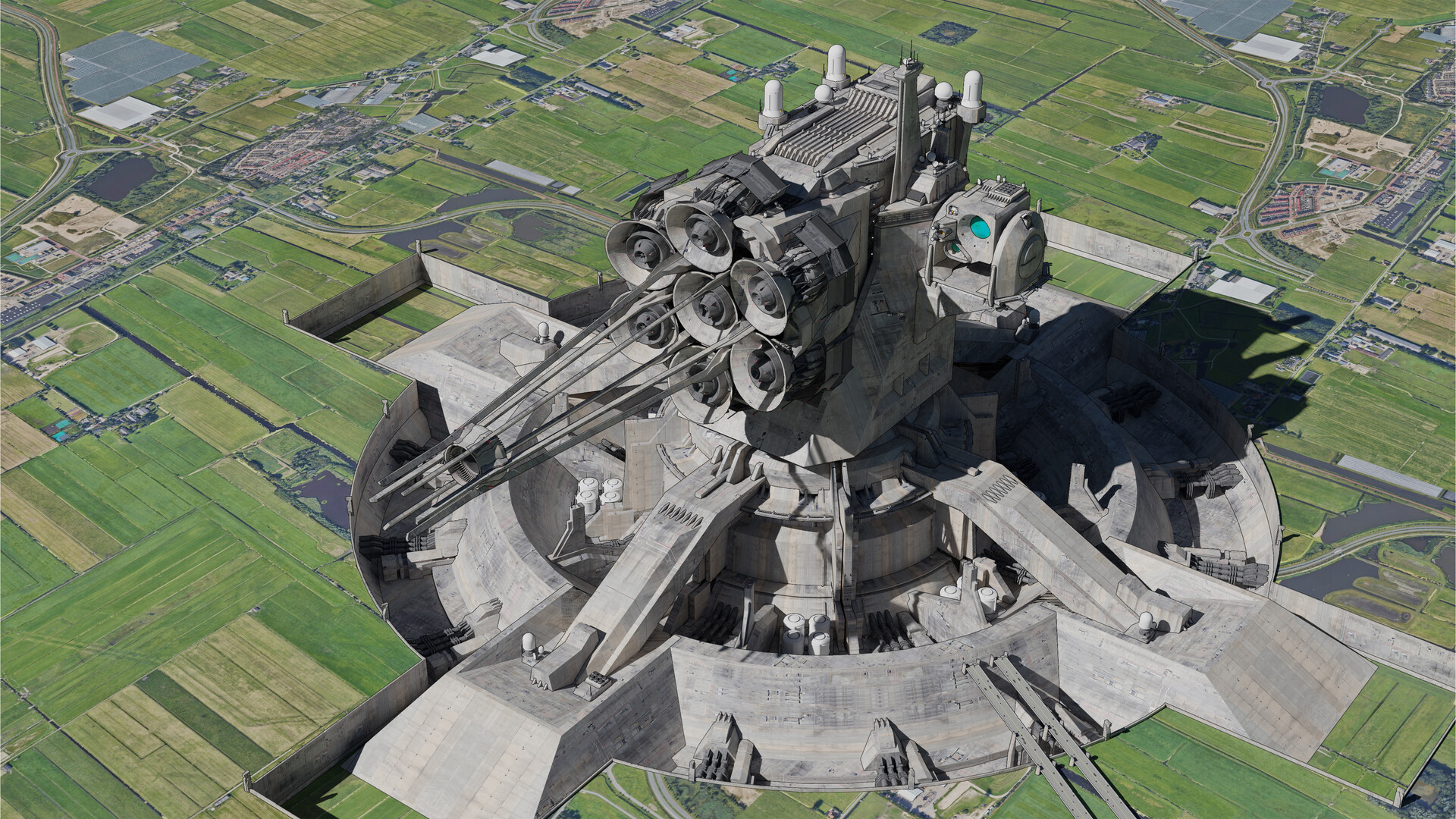
3D场景设计 - 写实风格建筑可视化,精准的光影与材质表现
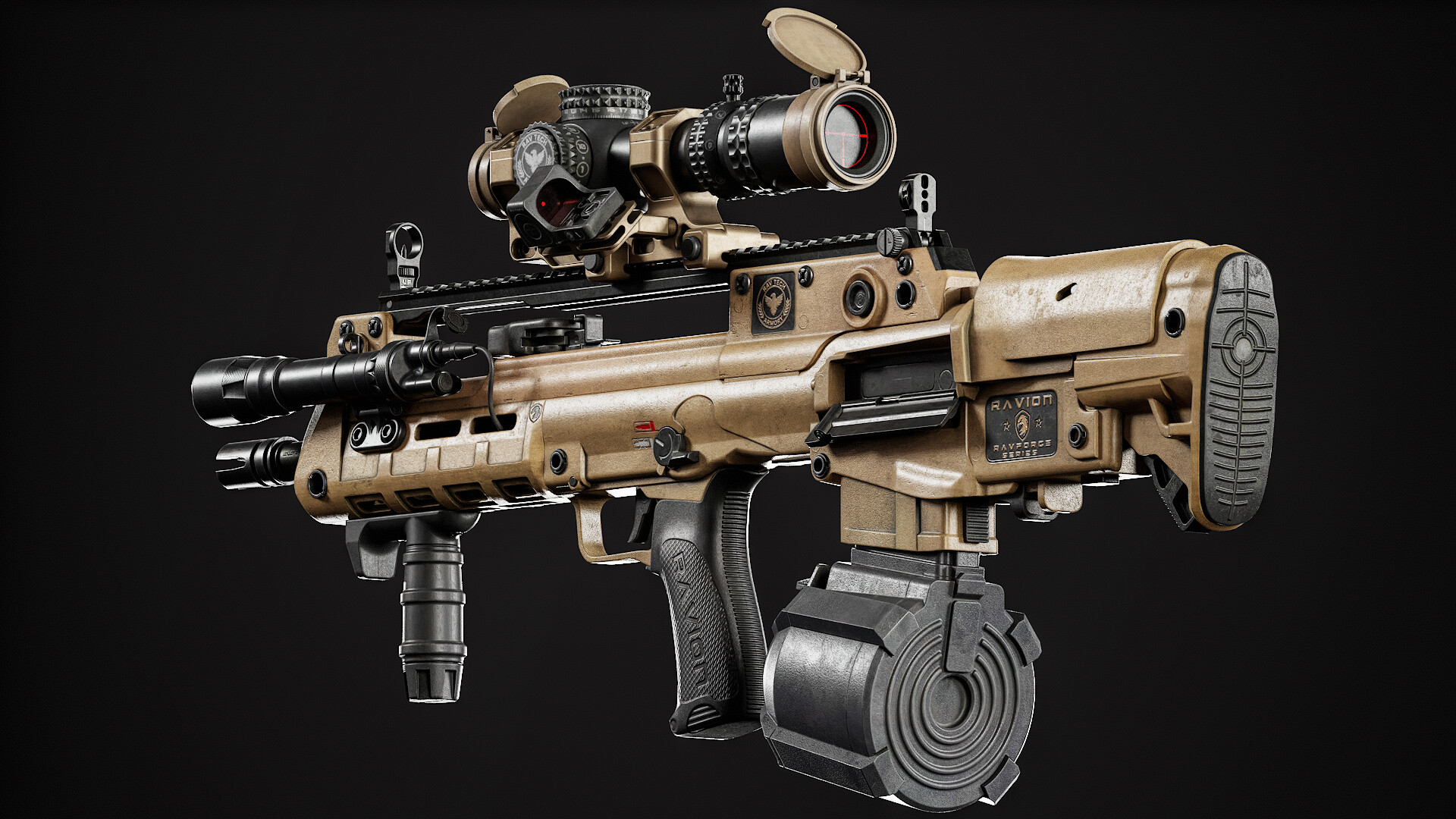
3D道具与武器设计 - 科幻风格硬表面模型,注重结构合理性与细节层次
覆盖客户端、服务端、美术、策划四大领域,以数据驱动技术优化,用专业创造商业价值
基于Animation Texture Baker将骨骼矩阵预烘焙至纹理,在Shader中完成GPU蒙皮,配合Graphics.DrawMeshInstanced实现万人同屏。传统SkinnedMeshRenderer不支持GPU Instancing,每个角色独立DrawCall;改用MeshRenderer+GPU蒙皮后,所有角色合并到单个DrawCall,CPU动画模块耗时从25ms降至3ms以内。适配移动端RGBAHalf格式,显存仅增加约15%。
参考《Neverness to Everness》与Fortnite移动端方案,集成ASTC纹理压缩格式,按Device Profile + Memory Buckets动态调整纹理池。高端机使用ASTC 4×4(压缩率最高),低端机降级ETC2。通过r.Streaming.PoolSize控制纹理内存上限,结合TextureLODGroups按设备分档,实现不同档位设备差异化纹理质量。禁用Nanite/Lumen等桌面特性,裁剪无用插件减小包体。
针对MMO RPG场景400个Spine角色同屏的极端场景,通过三层优化解决性能瓶颈:(1)使用DynamicAtlasManager.insertSpriteFrame将多张图集动态合并为一张,消除图集切换导致的断批;(2)调大BATCHER2D_MEM_INCREMENT从144KB至576KB,避免跨MeshBuffer无法合批;(3)开启enableBatch让Spine参与引擎合批流水线。关键限制:Spine瓶颈首先在CPU骨骼计算而非DrawCall,需先用单Spine×N实例测试确定设备CPU上限。
参考Azur Games《Railroad Empire》移动端优化方案:全城建筑使用单一材质+单一图集纹理,利用SRP Batcher将所有建筑合并为一个DrawCall;通过顶点颜色存储AO、高光、粗糙度数据,省去独立的PBR贴图(Albedo/Roughness/Metallic/AO各一张),整款游戏纹理从150MB降至10MB;使用Crunch压缩格式在保持画质的前提下进一步压缩至380-500KB/纹理。
参考QQ游戏成就系统与《原神》跨服同步模块真实重构案例。核心改造:(1)用Go channel+select替代C++ std::queue+mutex+condition_variable,消除锁竞争;(2)引入sync.Pool对象复用,热路径分配对象数从48,200/s降至3,100/s,GC次数降低88%;(3)全链路context.WithDeadline超时传导,下游预留50ms缓冲;(4)Kafka Partition按用户UIN分区,将并发写变为串行消费,CAS冲突率从15%+降至接近0%。资源成本降低82%,CPU核数减少73%,内存减少91%。
自研确定性帧同步框架,核心特性:(1)定点数运算替代浮点数(乘以1000转整数),杜绝跨平台浮点误差;(2)无锁环形缓冲区+CAS原子操作实现纳秒级输入入队;(3)自适应抖动缓冲32-128ms动态窗口,网络波动时自动扩展;(4)断线重连优先基于快照增量同步(平均87ms恢复,状态偏差≤0.3帧),其次全量拉取(312ms)。经10万帧压力测试验证,99.8%场景恢复偏差<1帧。
基于C++17+io_uring构建的高性能游戏网关,核心优化:(1)io_uring批量提交替代传统epoll,N次系统调用合并为1批,内核态上下文切换降低90%;(2)用户态零拷贝协议栈,数据包从网卡DMA直达应用缓冲区;(3)Protobuf+gogoproto序列化,耗时从8200μs(JSON)降至630μs,序列化体积从1420B降至612B;(4)连接池+对象池双层复用,消除频繁创建/销毁开销。单节点承载10万长连接,平均处理延迟0.8ms。
针对移动端CPU瓶颈的Spine骨骼动画优化方案:(1)使用SHARED_CACHE模式共享骨骼变换矩阵,N个相同Skeleton实例只计算一次骨骼更新;(2)骨骼层级裁剪——对屏幕外或极小角色自动LOD降级,减少不必要的骨骼计算;(3)动画帧率动态调整——根据设备性能自动从60fps降级到30fps,CPU占用降低50%而视觉差异极小;(4)预烘焙常用动画循环片段到纹理,避免每帧重复计算。经vivo S6(中低端)实测验证。
运用主成分分析(PCA)算法对游戏颜色贴图进行智能压缩。技术流程:将RGB三通道展开为高维向量→计算协方差矩阵→提取前K个主成分→仅存储主成分系数矩阵→运行时在Shader中重建颜色。两张512×512的RGBA贴图压缩后存储空间减半但视觉损失PSNR>42dB(人眼几乎不可感知)。特别适用于移动端大量角色皮肤贴图的存储优化,减少包体并降低显存压力。
针对移动端中轻度游戏的Rendering方案优化:将传统PBR所需的Albedo、Roughness、Metallic、AO四张贴图信息编码到顶点颜色通道中(R=AO, G=Roughness, B=Metallic, A=Reserved),纹理数量从每资产4张降至1张Albedo贴图。搭配单张Shader Features精简材质,避免分支预测失败。Azur Games实测:整款游戏纹理从150MB降至10-15MB,在低端Adreno GPU上Shader执行效率提升40%,且美术效果无明显可见劣化。
基于蒙特卡洛树搜索(MCTS)的实时难度调整系统:在玩家进行关卡时,后台实时计算当前配置下的理论通关概率,当检测到玩家连续失败时自动下调障碍密度/时间限制(每次调整≤8%),当玩家连续成功时逐步增加挑战。设置黄金比例:70%玩家能在5分钟内通关,30%需尝试3次以上。参考《Royal Match》(25步+4色棋盘,留存2倍同行)和《箭头消消消》(70%首通率)的验证数据,该策略对D7留存提升效果显著。
参考Azur Games《Mergic》真实案例:原30天赛季数据分析显示玩家平均10-12天即完成全部内容,之后活跃度与付费意愿骤降。优化方案:将30天赛季拆分为两个14天活动周期,每个周期有独立的奖励目标和付费节点;引入中期排行榜重置机制;缩短付费道具的「冷却期」使重复购买更有吸引力。核心前提:玩家忠诚度需达到60%+活跃超2个月,且重复购买率高于品类均值。
构建"感知→决策→执行→反馈"的自动化数值平衡闭环:通过强化学习Agent在百万级虚拟对局中模拟不同数值配置,评估策略熵值(玩法多样性)、体验梯度(难度曲线适配性)、成长获得感(进度节奏)三个核心指标。调整约束:核心参数单轮调整≤3%,间隔≥72小时;当策略熵值<0.3时触发微幅扰动注入新策略。参考腾讯某卡牌游戏实际应用数据,采纳该方案后平衡性调整准确率从55%提升至78%。
针对移动端纹理内存优化的创新方案:将Roughness、Metallic、AO三类单通道灰度贴图分别编码到一张RGBA贴图的R、G、B通道中(A通道保留用于其他Mask),原本需要3张独立贴图的材质信息合并为1张,纹理切换次数减少67%。搭配Crunch压缩格式,在1024×1024分辨率下,单张贴图体积从原始的4MB(RGBA32)降至约380KB,视觉质量无明显损失。特别适合角色皮肤、建筑材质等需要多通道信息的场景。
针对2D模拟3D场景(如多层视差卷轴、等距视角)的渲染优化方案:(1)场景分层预合成——将静态背景层在构建时预渲染合并为单张大纹理,运行时仅需1次DrawCall;(2)动态对象按Z轴深度分组,每组使用相同材质和图集;(3)视锥剔除优化——2D场景中不可见的视口外图块提前剔除,减少无效渲染;(4)动态图集管理——运行时生成的角色动画帧自动打包至全局图集。在Cocos Creator 3.8实测,200层视差场景渲染降至12 DrawCall。
UE5移动项目常见Shader变种爆炸问题:引擎默认生成大量宏组合变种(如USE_LIGHT、USE_SHADOW、QUALITY_LEVEL的笛卡尔积),导致Shader编译体积膨胀、首次加载卡顿。优化方案:(1)梳理实际使用的宏组合,禁用89%未使用的Shader Permutation;(2)将低频Shader从编译期移至运行时使用MaterialInstance动态切换;(3)合并功能等价的Shader变种。Shader数量从11,566降至6,152,编译体积从63.96MB降至27.96MB。
Long-term partnerships with industry leaders

.png)
.png)
.png)
.png)
.png)
.png)
.png)
.png)
.png)
顶级技术团队保障交付质量
Technical insights from the MonkeyGames team
From cozy vampire sims to co-op nightmares, these are just a few standout horror games made with Unity in 2026 – organized by exactly how scared you want to be.
Undead Labs studio boss Philip Holt is "reluctant to share" how many employees the developer lost when it became independent of Xbox. Read more
Earlier this week, there was a ripple of excitement among long-suffering Xbox fans over news that the platform had struck an exclusive deal for the streaming rights to Grand Theft Auto VI – suggesting that while the game would launch on both PlayStation and Xbox, Microsoft’s Xcloud service would be the only place you could stream it, at least initially. Read more
Everything you need to know about our game development services
Get In Touch
欢迎与我们洽谈游戏外包、整包研发与人力外包合作,获取免费需求评估与报价